

In 2001, the U.S. Justice Department jailed journalist and lecturer Vanessa Leggett for 168 days for contempt of court. Leggett refused to disclose sources and notes obtained during her own investigation into a high-profile murder. At the time, the Houstonian held the state record for the most time spent in prison for contempt of court. Learn more about her journalism and teaching career, as well as the circumstances of the high-profile case that Leggett investigated at houstonski.
Education
Vanessa Leggett (née Levrier) was born on May 18, 1968, in Houston, to a family of an oil trader. She obtained her bachelor’s degree in English and a master’s degree in humanities from the University of St. Thomas in Houston.
Journalist and writer
In 1999, Leggett’s book “The Varieties of Homicide and its Research” was published, followed by “The Diversity of Homicide” a year later.
Even while in custody, Leggett continued to work as a freelance journalist. In September 2001, she published an article titled “My Principles Have Landed Me in Jail” in Newsweek magazine.
In July 2002, she wrote a piece for Texas Monthly called “Doing Time” about her 5.5 months in a prison cell. For this article, the journalist was awarded by National Magazine Awards for general excellence.
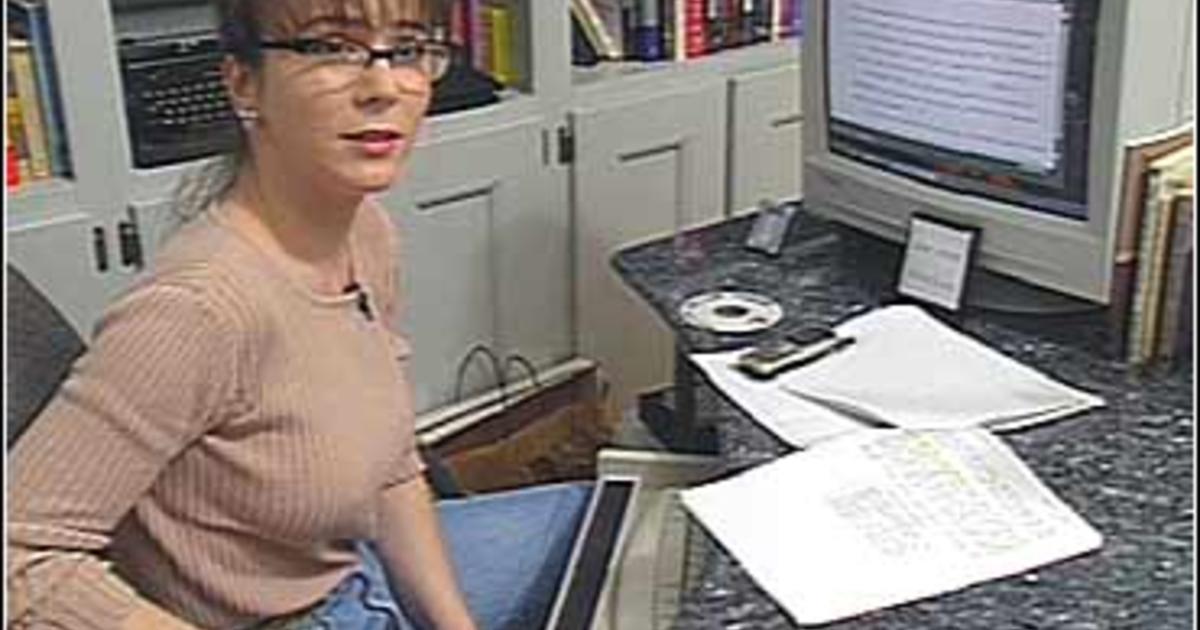
In 2004, she published an editorial in the Houston Chronicle titled “Down the Slippery Slope to Newspeak,” which was followed by “Rosenthal Deserved Jail Time” four years later.
In 2015, Leggett got an exclusive interview with serial killer Robert Durst. Interestingly, Durst personally wrote to Vanessa on social media and invited her to lunch. The result of their conversation was Leggett’s story for Esquire magazine titled “My Lunch with Robert Durst”. In it, the journalist recalled the meeting with the killer in a restaurant. Durst probably wanted Leggett to write a book about him, but he never explicitly stated so.
Robert Durst was the son of a New York real estate magnate who drew international attention when he was accused of being involved in the 1982 disappearance of his first wife, Kathleen McCormack. He was also accused of the 2000 murder of longtime friend Susan Berman and the 2001 beheading and dismemberment of neighbor Morris Black. In 2021, Durst was condemned to life in prison without the possibility of parole, but he died a year later.
Lecturer
From 1995 to 2016, Leggett taught criminology, as well as literature and writing courses, at the University of Houston and the university’s Criminal Justice Training Center. Vanessa instructed new Texas police recruits and veteran homicide investigators.
She also lectured representatives of the Royal Canadian Mounted Police, the Swedish National Board of Forensic Medicine and the Netherlands Institute for Crime and Law Enforcement.

In 2015, Leggett served on the First Amendment Advocacy panel (on issues such as freedom of speech and the press, the right to peacefully assemble, religious freedom and so on). She also addressed the need to strengthen the legal protection of journalists. In 2016, Vanessa gave a presentation at the annual conference of the International Academy of Investigative Psychology.
A book about a high-profile case
In 2002, Leggett signed a contract with Crown Publishing to write a book about the murder of Doris Angleton. She received a $600,000 advance payment.

Doris Angleton
In April 1997, the body of socialite Doris Angleton was found in a residence in Houston. The woman died as a result of 13 gunshot wounds to the face and chest. At the time of her death, her millionaire husband, former bookmaker Robert Angleton, was watching the softball game of his twin daughters.
Vanessa Leggett investigated this case for five years. The prime suspect was Roger Angleton, Robert’s brother. Robert allegedly hired Roger to organize his wife’s murder. During Roger’s prison interviews in 1998, Vanessa took notes and audio recordings confirming that Robert had recruited Roger. Following the interviews, Roger committed suicide in a prison cell, slashing himself more than 50 times with a disposable razor. The suicide left a suicide note in which he confessed to Doris’ murder but denied that Robert was involved.
In June 2001, Judge Melinda Harmon ordered the journalist to appear in court, bringing with her the records obtained during the investigation, which she intended to utilize in her book. On June 20, Leggett appeared in court but refused to turn over the recordings, citing freedom of the press. As a result, the US Justice Department charged her with civil contempt of court and imprisoned her for refusing to hand over the recordings.
Several organizations came to the journalist’s support. Leggett’s imprisonment was regarded by the New York Times as “a brazen assault on 1st Amendment values and the public interest in a free press.” Reporters Without Borders protested Vanessa’s detention in a letter to Attorney General John Ashcroft. The organization appealed to the prosecutor general to do everything possible to liberate the journalist and drop the accusations, citing the principles of press freedom. Secretary General Robert Menard noted that the Inter-American Declaration of Principles on Freedom of Expression clearly states that “every social communicator has the right to keep his/her source of information, notes, personal and professional archives confidential.”
On July 20, 2001, Vanessa Leggett was sentenced to prison. Vanessa filed an appeal with the District Court. The Society of Professional Journalists covered half of the journalist’s legal costs, but the US Supreme Court refused to hear the case. In January 2002, the Houstonian was released from federal custody after 168 days in prison.
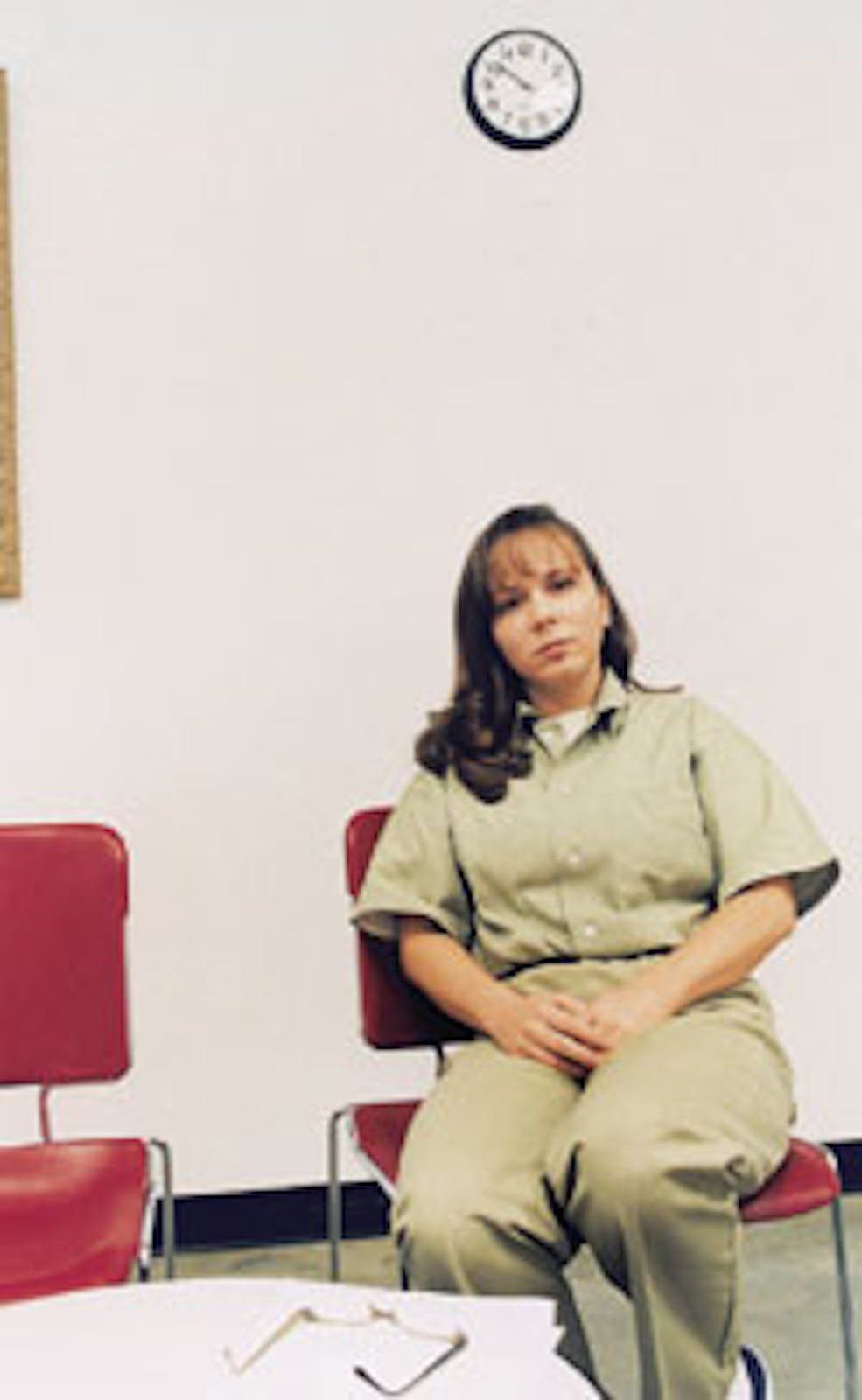
As for Robert, in the days following the disclosure of his brother’s suicide note, Robert was found not guilty. Nevertheless, the US Justice Department filed charges against him and put him in jail for acquiring his wealth and his income from illegal sports betting. Robert fled to the Netherlands, where he was apprehended. He was subsequently sentenced to 12 years in prison for tax evasion and passport fraud. In January 2012, he was released and then charged with the murder of his wife. Soon after, he organized an escape.
Awards
In 2002, Leggett was recognized with the Ancil Payne Award by the University of Oregon. In the same year, a group of freelance journalists, American Independent Writers, awarded her the President’s Award, and the non-profit organization PEN America awarded her the PEN/Newman’s Own First Amendment Award.
At the same time, Vanessa received the First Amendment Award from the Society of Professional Journalists, the oldest organization representing journalists in the United States, for refusing to turn over her notes to the authorities. The Houstonian also earned the Herblock Freedom Award from the Newspaper Guild-CWA. In 2003, she received the John Peter and Anna Catherine Zenger Award for Press Freedom from the University of Arizona School of Journalism.