

Every June since 1979, Houston has celebrated diversity and inclusivity. During the Houston Gay Pride Parade (or Houston Pride Parade), citizens and members of the LGBTQ+ community honor the rights of lesbian, gay, bisexual, transgender and queer people – those who question their sexual or gender identity. The event commemorates the legalization of same-sex marriage and aims to raise awareness about the fight against sexual orientation prejudice and discrimination. From its inception to its phenomenal expansion, the parade has been an important element of Houston’s cultural legacy and an important platform for change. Find out more information at houstonski.
History
The LGBTQ+ rights movement in the United States began with the six-day Stonewall uprising in New York in 1969. This was the first time in history that representatives of non-traditional orientation have resisted the state-legalized system of persecution of sexual and gender minorities. This watershed moment marked the beginning of a massive LGBTQ+ rights movement in the United States and around the world.
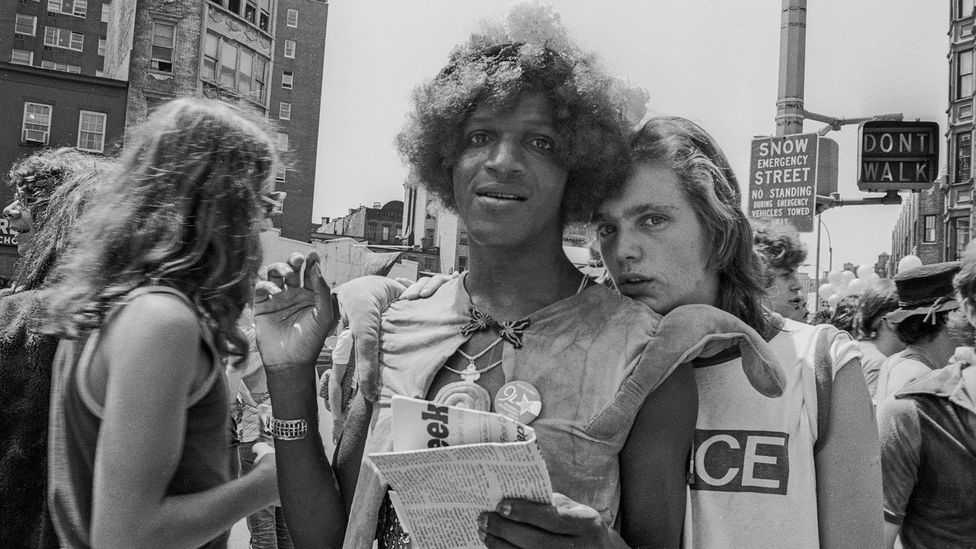
Prior to that point, representatives of non-traditional orientation faced constant discrimination. They were denied service in bars, forbidden to touch each other while dancing and arrested solely because of their sexual orientation or gender identity. However, the late 1960s saw the emergence of numerous social movements, including the African-American civil rights movement, as well as feminist, countercultural and anti-war movements. This social activism also contributed to the Stonewall riots.
Following that, gays and lesbians in New York overcame gender and class differences, becoming a close-knit community. Two gay rights organizations and three newspapers were launched in six months to support gay and lesbian rights. The next several years saw the establishment of LGBTQ+ rights organizations in the United States and around the world.
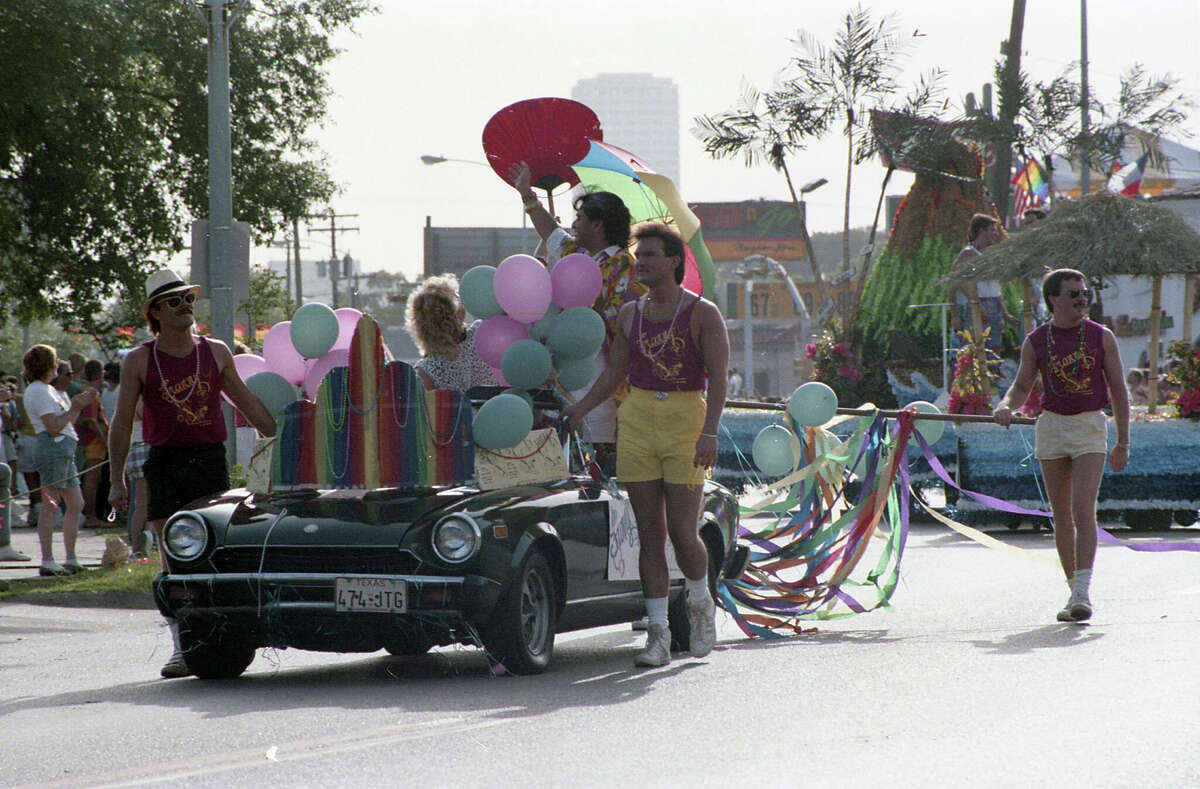
In June 1976, Houston had its first LGBTQ+ community parade. It was organized by the Gay Activist Alliance at the University of Houston. Although the march was not accompanied by any orchestra, it was joined by 300-400 people who marched along Main Street. Following the march, Liberty Bank hosted Gayfest.
On July 1, 1979, the Montrose Center hosted Houston’s first official Gay Pride Parade in the Montrose neighborhood. Following the march in Spotts Park, over 5,000 people gathered for a rally that included music, speeches, dances and fireworks. Years later, pride has grown into a large celebration of LGBTQ+ rights, drawing thousands of people to the city center and city hall.
Until 2015, the parade was hosted in Montrose’s most LGBTQ+-friendly neighborhood. The celebration usually began on Westheimer Road and proceeded up Dunlavy Street to Crocker Street. In 2015, the show was relocated to downtown Houston, mainly because of concerns about increased traffic in the surrounding areas.
Record attendance
Due to the COVID-19 pandemic, in 2020-2021, the procession was replaced by a virtual rally. Following a two-year hiatus in 2022, the parade and accompanying festival drew between 700,000 and 800,000 people, a record compared to around 600,000 in 2019. However, not only the attendance rate, but the heat wave in 2022 set a new record as well.
The city’s emergency doctors were overwhelmed by the number of people suffering from heat exhaustion. The organizer of the holiday, Pride Houston 365, did everything possible to control the heat index 2023. The team met with local officials to discuss the total renewal of the festival, specifically the shift of its timing to the evening or night. In 2023, the procession was held from 19:00 to 23:00. Some sponsors also helped to resolve the situation, such as by providing a huge supply of water.
The organizer
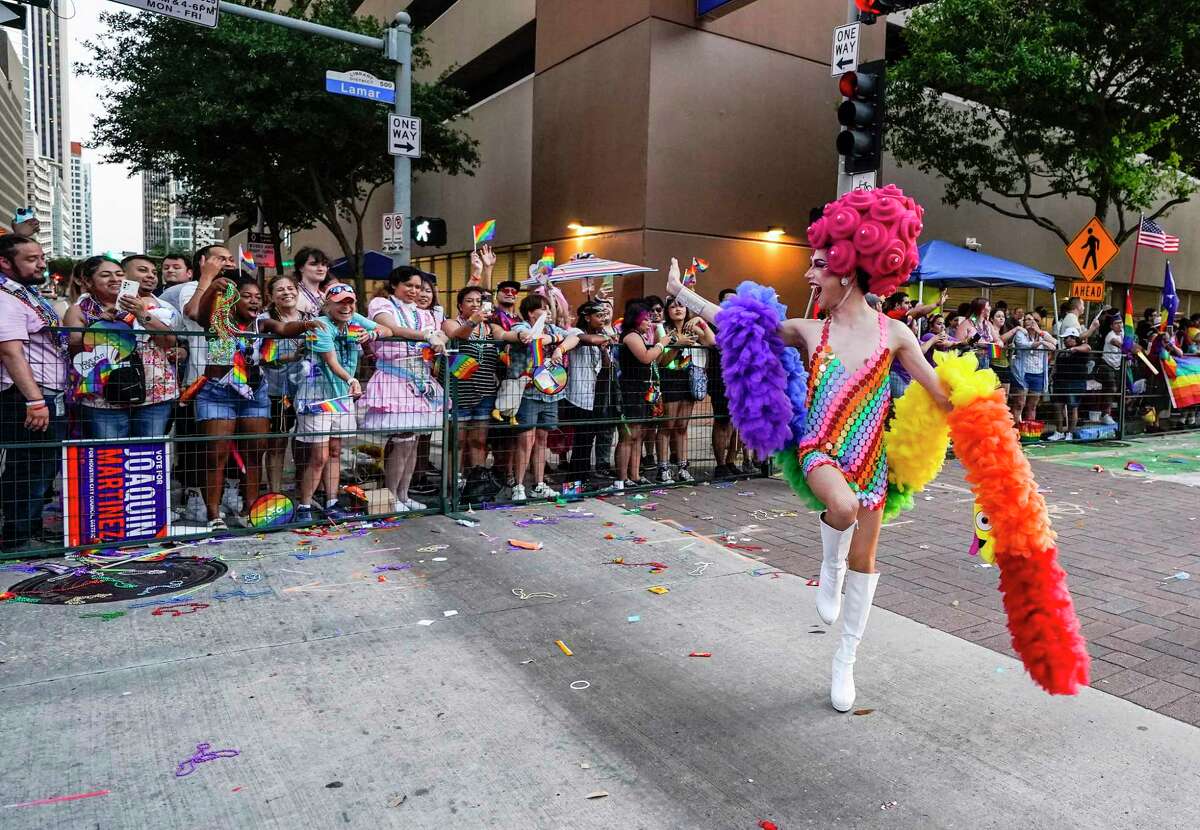
The annual march is organized by Pride Houston 365 to bring people from many backgrounds together for a shared goal: to honor the LGBTQ+ community. The action is led by influencers and activists who represent sustainability, progress and support. The parade is free and open to the public of all ages. Tickets are not required, with the exception of VIP tickets, which provide access to individual seats, an outdoor bar and a wide selection of snacks.
The festival attracts thousands of visitors each year, ensuring the growth of the local economy. If you are unable to attend the Houston parade in person, there are several interesting options to participate in the celebration from the comfort of your own home. The parade is broadcast live on some TV channels and internet platforms.
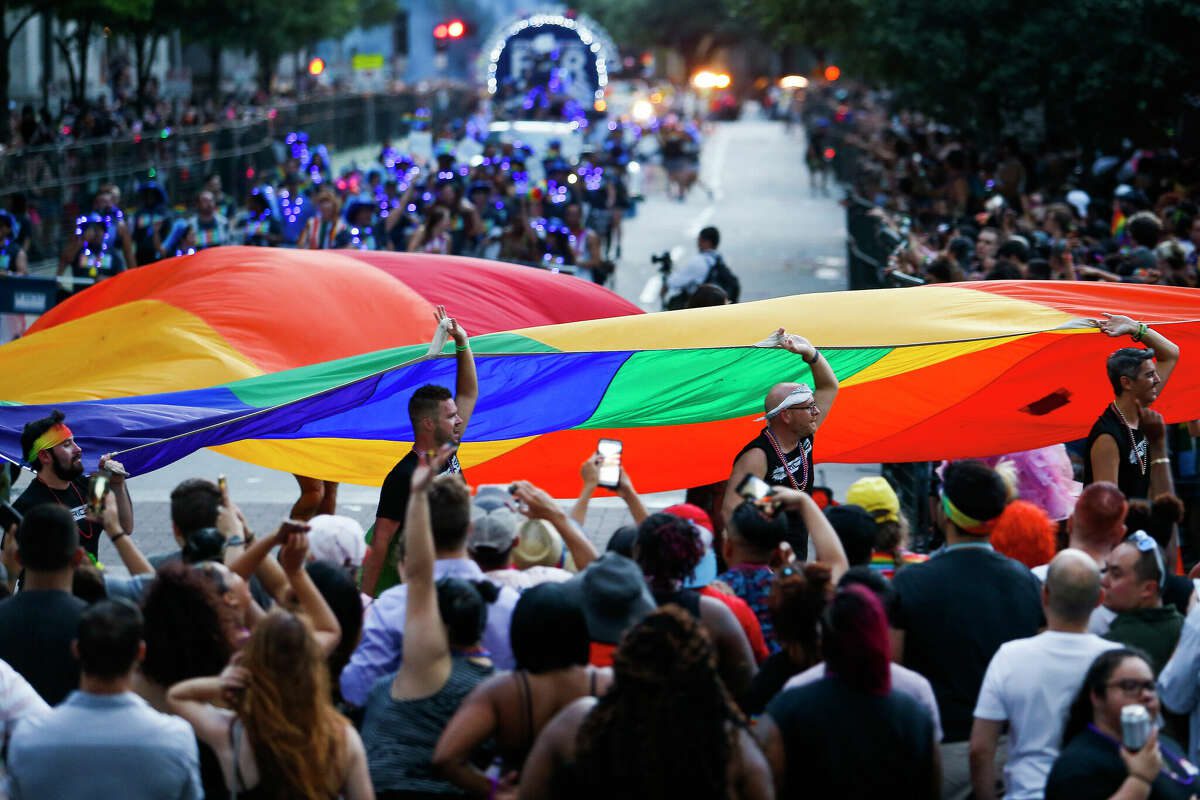
The parade gathers people from all walks of life. Various organizations, companies, public groups and well-known personalities demonstrate their support and solidarity. The Pride Parade welcomes people of all ages, making it an inclusive celebration for the entire community. Houstonians frequently attend the holiday with their entire families, enjoying colorful expositions and spreading messages of love and acceptance.
There are certain guidelines and rules for ensuring the safety and inclusivity of all participants. These guidelines include respect for others, the absence of offensive signs and compliance with all laws and regulations.
Festival program
On the fourth Saturday in June, the festivities last all day. The main event is the parade, which has sometimes been held after sunset since 1997. The night procession was permitted in Houston thanks to the support of then-City Councilwoman Annise Parker. You may highlight posters, accessories and other items creatively when it’s dark outside. Participants make every attempt to demonstrate their creativity and love for the LGBTQ+ community. They decorate the city with balloons, flags and other decorations to create a festive and joyful atmosphere.
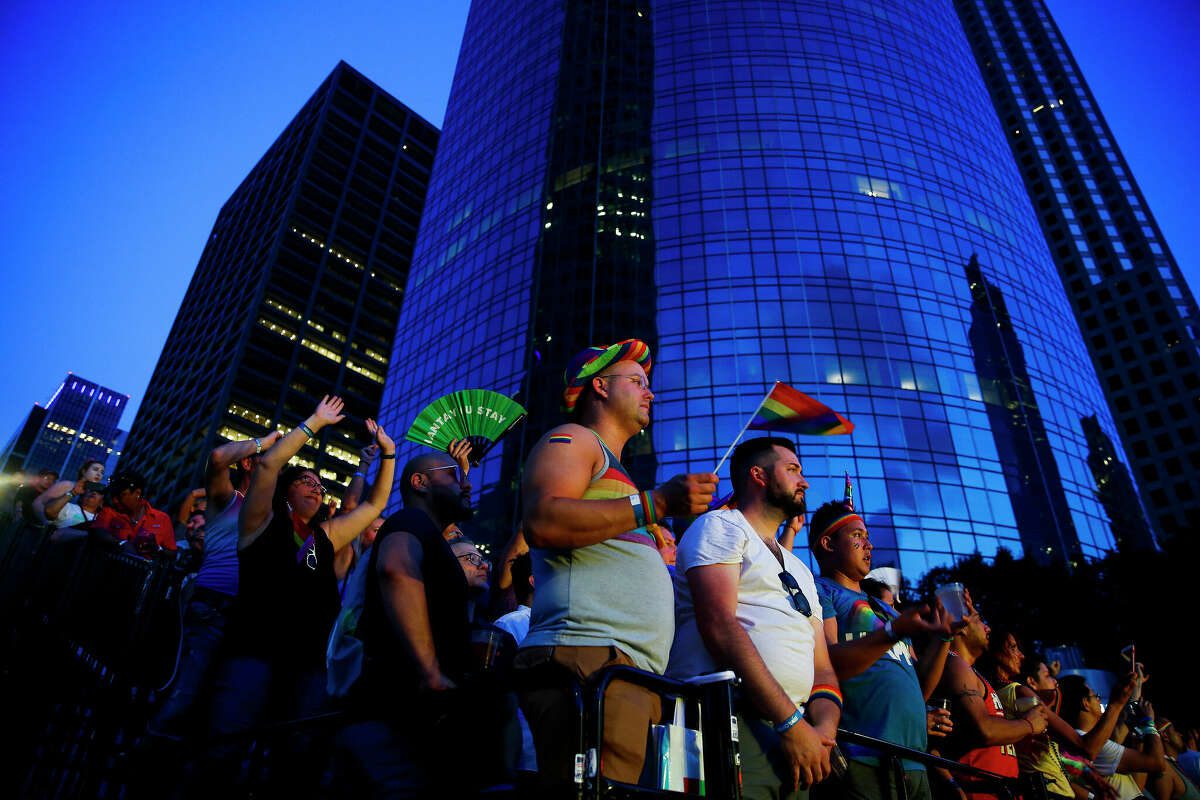
The parade is attended by orchestras, dance troupes and a variety of performers, giving the occasion an even more lively atmosphere. They keep the audience entertained with live music, dancing and spectacular performances. After the march, the surrounding neighborhood provides visitors with additional entertainment, food and activities. There are exquisite gastro-shops, master classes and exhibitions, all on the theme of unity and diversity. The festival is an excellent opportunity to enjoy a variety of delicious dishes prepared by local and national culinary experts.
Furthermore, the festival supports local LGBTQ+ businesses. The parade offers a venue for advertising these companies, raising awareness and supporting them in the community. Overall, the Houston Pride Parade serves as a platform for bringing attention to LGBTQ+ issues. It aims to create a safe, inclusive and respectful society for all people, regardless of sexual orientation or gender identity. It is the most visited and largest gay pride event in Texas as of 2023, and the second-largest event in Houston (after the Houston Livestock Show and Rodeo).
As a result, the Houston Gay Pride Parade is an important event that honors diversity and inclusion. With its colorful costumes and energetic atmosphere, the festival has become a symbol of pride and recognition. It not only allows for self-expression, but it also serves as a reminder of the progress made in the fight for LGBTQ+ rights.