

One of the most horrific chapters in Houston’s history is the case of Dean Corll, known as the “Candy Man.” Between 1970 and 1973, he, along with two teenage accomplices, committed a series of murders that shocked the nation with their brutality and scale. These crimes became known as the “Houston Mass Murders” and left a deep scar on the city’s memory. We delve into this tragic and high-profile period in Houston’s history on houstonski.com.
The Unsolved Disappearances
The early 1970s. Across the United States, youth were rocking out to artists like Elton John and Led Zeppelin, gas prices hovered around 36 cents a gallon, and the hippie subculture was spreading. Houston, meanwhile, was living a quiet, measured life.
Not far from downtown was the Houston Heights neighborhood. People here, like in all of America, had their problems and celebrated their small victories. However, between 1970 and 1973, an alarming pattern emerged over the area. Boys and teenagers began mysteriously disappearing. The number of reports to the police from distraught parents continued to rise, but authorities dismissed the disappearances as runaways, which were not uncommon in the U.S. at the time.
The police discovered where and how the boys vanished almost by accident. Initially, they didn’t even believe what they were hearing. But when they investigated, they were horrified. Nothing like this had ever happened in United States history. Twenty-nine young men were brutally murdered and buried virtually in the heart of the neighborhood. The merciless killer turned out to be a simple electrician, Dean Corll, whom everyone knew as a cheerful and friendly local. Moreover, he earned the nickname “Candy Man” because he had previously worked at a candy factory and would treat children to sweets.
Still Waters Run Deep
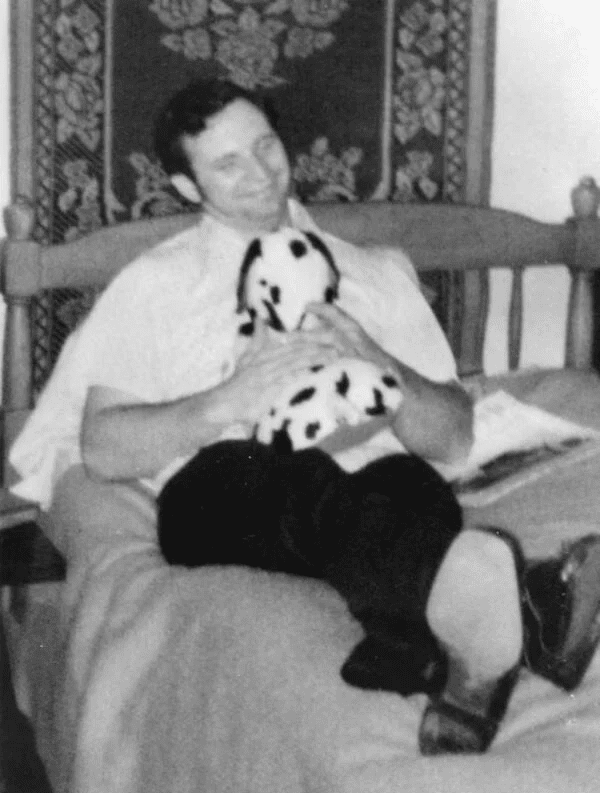
Dean Arnold Corll was born on December 24, 1939, in Fort Wayne, Indiana. He grew up in a family with a strict father and a mother who was overly protective of her two sons. His parents often fought, and Corll witnessed these family upheavals. He grew up quiet and withdrawn, performing averagely in school and keeping his distance from classmates. Dean’s only hobby was playing the trombone, and he was a member of the school band.
Eventually, his parents divorced, and his mother remarried. They moved to Houston and opened a family business, deciding to open a candy shop they called the “Pecan Prince.” This happened in 1958. In 1960, Dean Corll, at his mother’s request, returned to Indiana to care for his elderly grandmother. However, two years later, the young man returned to Houston.
He became the vice president of his mother’s business, the Corll Candy Company, which was now located in Houston Heights, directly across from a high school. It was the students from this school that Dean would hand out free candy to, earning him the nickname “Candy Man.” Even then, the young man had an unhealthy attraction to boys. One of the teenagers who worked at the candy store complained to Dean’s mother about his advances, but she didn’t believe him and fired him.
The Road to the Abyss Begins
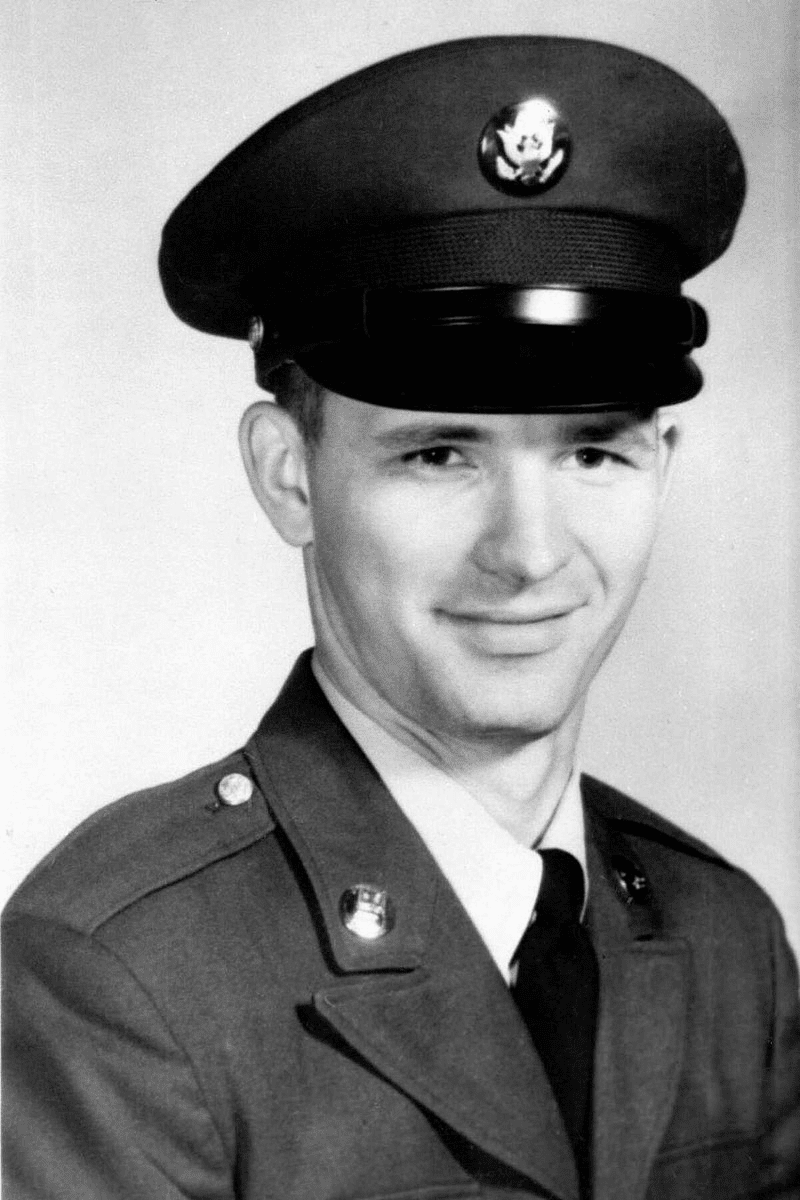
Dean Corll was drafted into the military. There, he received only the best reviews and was even predicted to have a great military future. Yet, Corll later recalled his time in the army with hatred and even disgust. He submitted his resignation and returned to Houston in 1964.
He continued to work in the family business. In a back room, he installed a pool table, where boys would gather. This was intentional. It was during this time that he met David Brooks, who was only 12 years old. Brooks would become Corll’s accomplice. They later added Elmer Henley to their duo.
The motive for the start of the murders was never definitively established by investigators. But in 1970, the trio began their count of victims.
The boys lured victims to Corll’s house, promising fun, alcohol, and marijuana. Some were lured by the young criminals under the pretense of offering a ride. For every boy brought to him, the fiend Dean paid his accomplices $200. He would tie up or handcuff the victim, brutally abuse and rape them, and kill them a few days later. Over three years, the maniac tortured 29 boys. Investigators believe the number of victims could have been much higher. During this period, 42 boys disappeared in the area, none of whom were found.
Uncovering the Crimes and Arrest
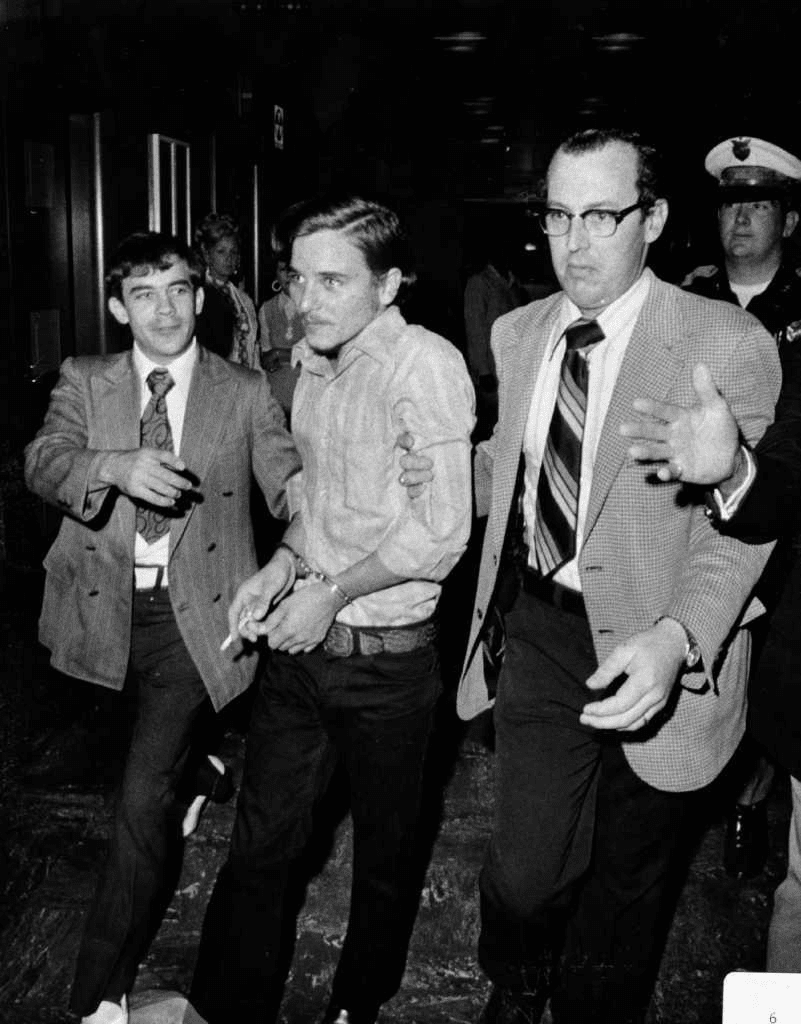
On August 8, 1973, 17-year-old Elmer Wayne Henley shot and killed Dean Corll at a house in Pasadena. He then called the police and confessed to the murder, which began the unraveling of a series of horrific crimes.
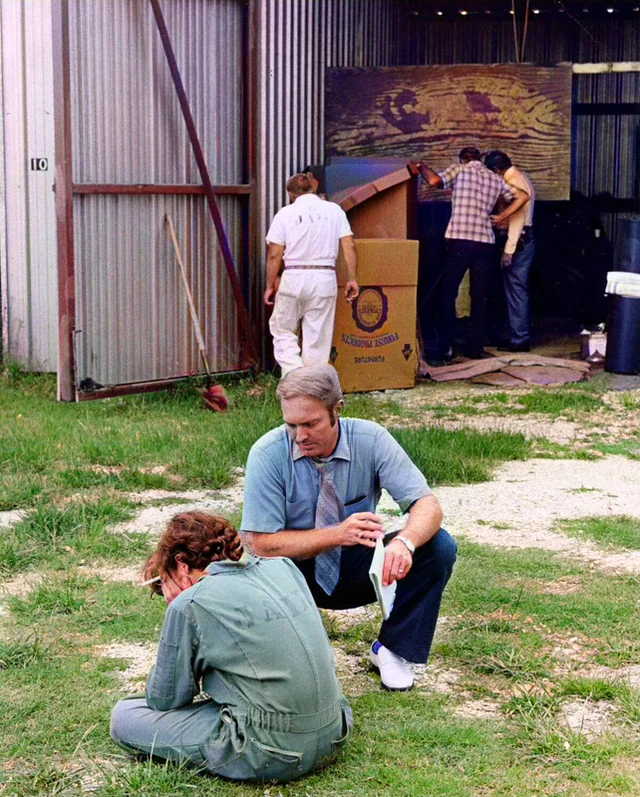
Henley told investigators what had been happening for the previous three years. Following Henley’s confession, police discovered mass graves of victims in three locations: a boat shed in Houston, a beach on High Island, and in the woods near Lake Sam Rayburn. A total of 27 bodies were found, although some sources suggest at least 30 victims.
David Brooks was also arrested. He confessed to being an accessory to the crimes, including helping with kidnapping and burying the bodies, though he denied involvement in the actual murders. In 1975, he was sentenced to life in prison for the murder of one of the boys. He died in prison at the age of 65 in 2020 after complications related to COVID-19.
Henley was convicted in 1974 for six murders and received six consecutive terms of 99 years each. His conviction was upheld on appeal in 1979.
These events shocked the public and law enforcement. The revelation of these crimes changed the approach to investigating disappearances of young people in the U.S. The “Candy Man” case remains one of the most horrifying in the criminal history of the United States and serves as a reminder of the importance of vigilance and responsibility in society.
For decades, many victims remained unidentified. Thanks to the efforts of forensic experts, particularly Dr. Sharon Derrick, most of them have now been identified. However, one victim still remains unknown. A new composite sketch of this victim was released in 2023 in the hope of identifying him.
Impact on Society and Culture
Such a gruesome act inevitably had an impact on the public. The horror of these crimes attracted the attention of writer Truman Capote, who planned to write a series of articles about the case. However, he never completed the project, reportedly shaken by the ordinariness of the crime locations and the indifference of the neighbors.
In 2003, the film Freak Out was released, with directors basing the story on the Houston mass murders. Brad Jones directed the film and also played the role of Corll. The plot revolves around the last day of the main character’s life before his murder.
Another film based on these events was In the World of the Insane. Filming was completed in 2014. Director Josh Vargas’s film is directly based on Henley’s life before, during, and immediately after his involvement with Corll and Brooks.
The criminal thriller Mindhunter also featured an episode about the Houston murders. Several documentaries about these horrific events have been filmed for television.
A Masked Threat
Sadly, there is no shortage of deranged maniacs in the modern world. However, this case is staggering in its scale and the fact that the events occurred in the heart of a densely populated neighborhood. For three years, none of the neighbors reported any suspicious activity by Dean to the authorities. It’s hard to believe that the pervert was able to mask his actions so perfectly. And it’s terrifying to imagine how many more victims there could have been had it not been for the incident between the accomplices.