

Houston is known for more than just oil companies and space exploration. It’s also been the birthplace of powerful creative initiatives, and one of the most significant is The Menil Collection museum. This project is a prime example of how the inspiration and dedication of a single family can leave an indelible mark on global culture. The museum isn’t just a treasury of artifacts; it’s a space for the deep contemplation of art, where every exhibit is part of a living dialogue with the viewer. It demonstrates how even a few dedicated art lovers can change the cultural map of not just their city but an entire continent. The history of this museum is quiet and calm, free of loud scandals or sensationalism—and that is its strength. Find out more at houstonski.com.
The Menil Family’s Roots: Between Europe and America
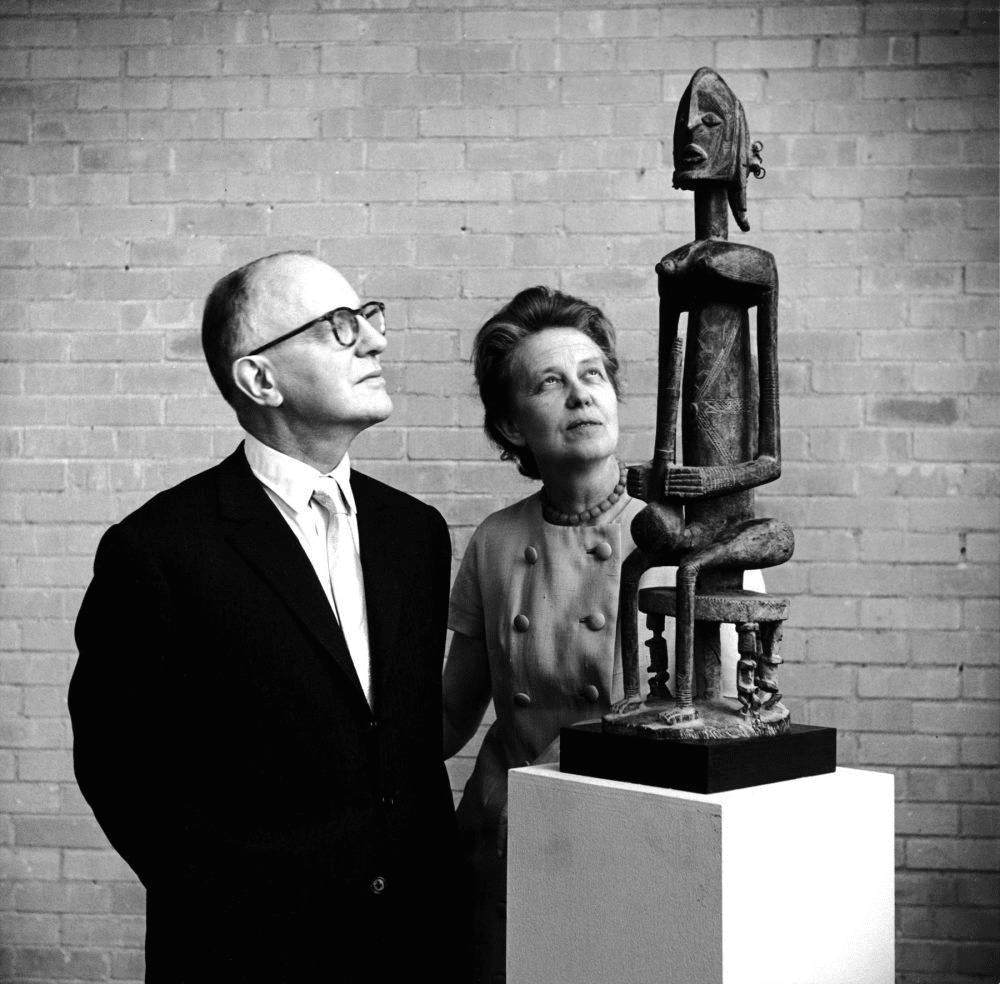
The founders of the collection, husband and wife John de Menil and Dominique Schlumberger, were of European descent. John worked in banking, and Dominique was the daughter of one of the co-founders of the Schlumberger corporation. They were united by a love of philosophy, beauty, and intellectual pursuits. Their move to the United States was forced; World War II compelled them to leave France. Settling in Texas, they found an environment in Houston to realize their cultural ideals.
Patrons Who Saw More
The Menils didn’t limit themselves to a classic view of collecting. They saw art as a tool for understanding the world, which is why their collection made room for both recognized masters and avant-garde artists. Their holdings feature religious objects, artifacts from the peoples of Africa, Oceania, and South America, as well as modernist paintings and Surrealist objects. Their intuition often tipped them off to which young artists had a future. For example, works by Rothko or Ernst were acquired not for prestige but out of a genuine belief in the artists’ talent.
A Philosophy of Openness: The Threshold-Free Museum
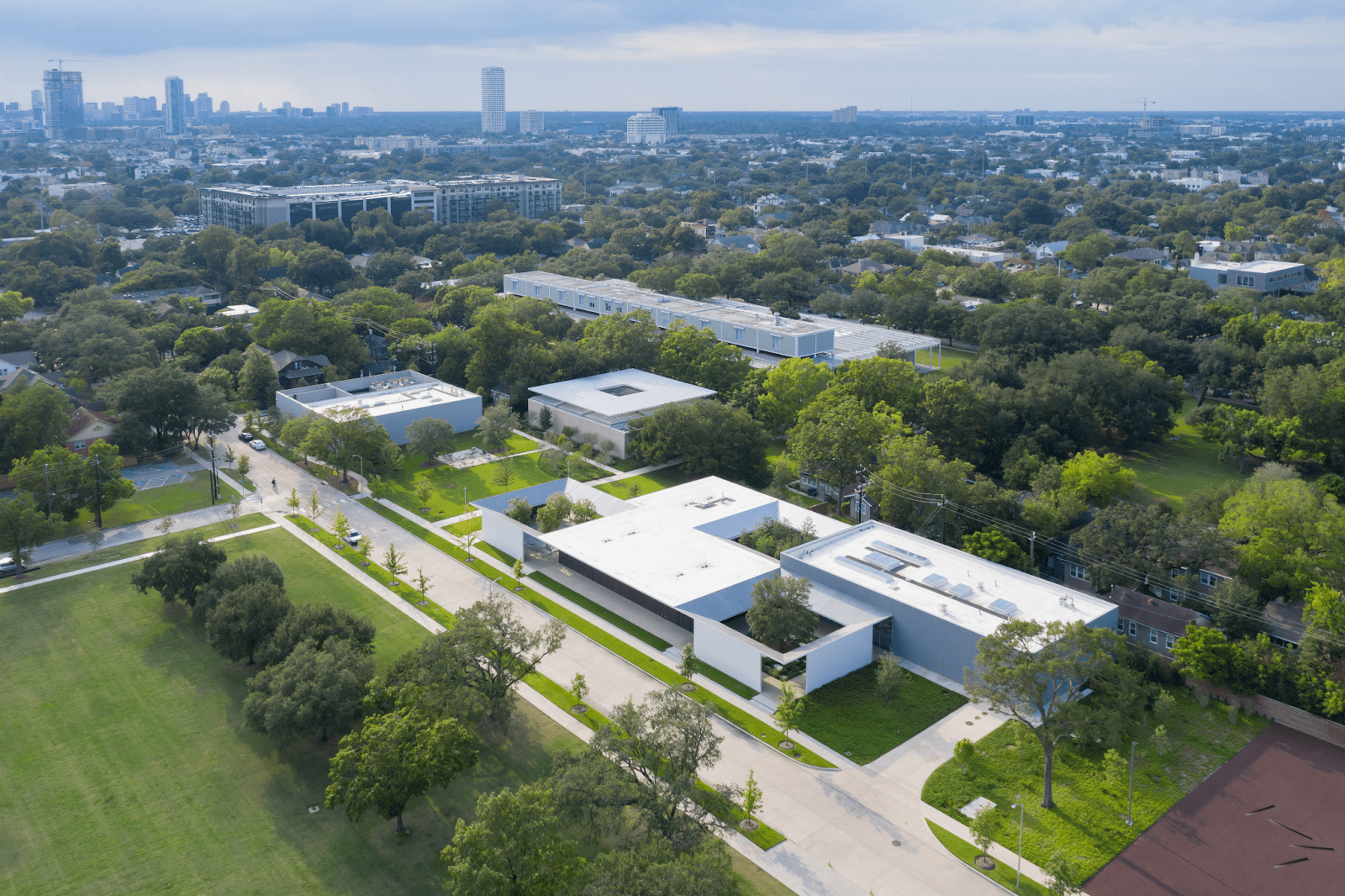
The Menil Collection opened in 1987, after John’s death. Architect Renzo Piano created a building that blends modernity with restraint. The museum space isn’t a lavish hall but rather a bright pavilion, where the focus is not on luxury but on quietude, light, and contemplation. This approach allows every viewer to concentrate on the meaning of the artwork rather than the surrounding environment.
The museum is located in the Montrose neighborhood—a residential area with a relaxed atmosphere. The family bought up small houses there, converting them into creative studios, galleries, and administrative offices. Thus, the Menil Campus gradually formed—a cultural zone in the very heart of the city, infused with peace and an artistic spirit.
Free Admission: A Core Principle
One of Dominique de Menil’s core beliefs was that culture should have no barriers. That’s why the museum has remained free for everyone from day one to the present. This makes it accessible to schoolchildren, students, tourists, and anyone simply seeking inner harmony through the world of images and forms. According to many visitors, the atmosphere inside the museum encourages quiet reflection rather than a superficial overview.
What the Collection Holds Today
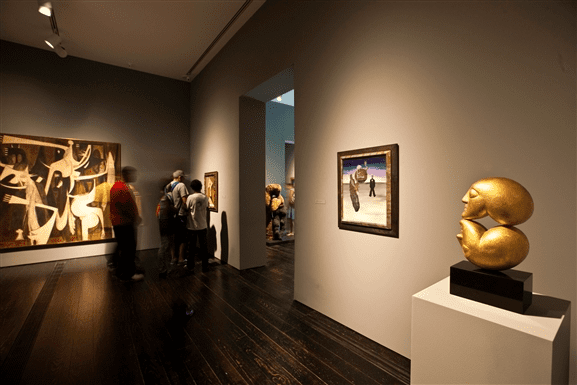
The museum’s holdings contain over 17,000 items: from paintings by Picasso, Warhol, Duchamp, and Jasper Johns to works of traditional religious art. Surrealism holds particular weight here, with major pieces by de Chirico, Magritte, and Tanguy.
Also noteworthy is the Rothko Chapel, a separate space dedicated to meditation and inner peace. It houses fourteen of the artist’s works, creating an effect of complete immersion in a meditative atmosphere. 
Another unique building is the Byzantine Fresco Chapel. Although the frescoes have been returned to Cyprus, the chapel itself functions as a space for installations.
A Living Idea of Culture as Part of Everyday Life
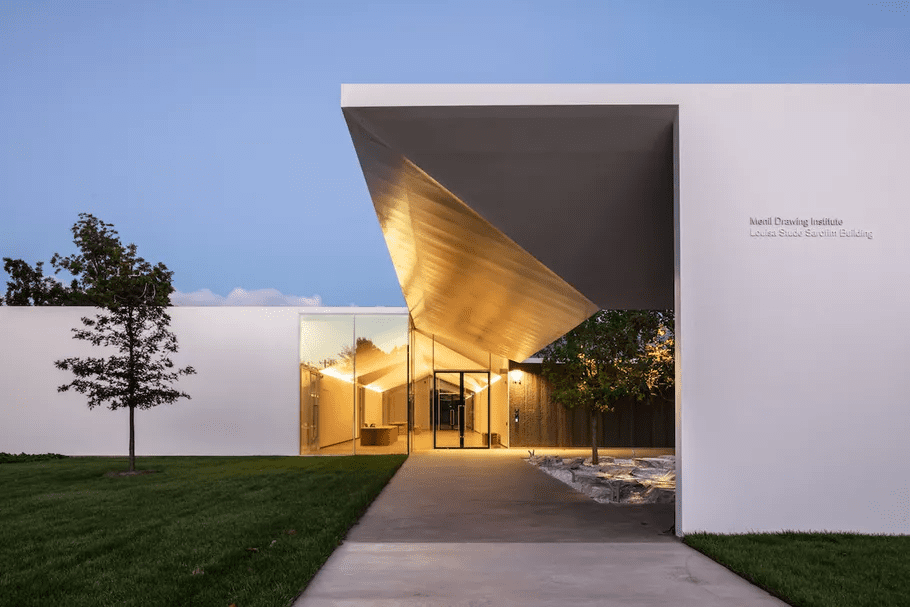
Dominique de Menil passed away in the late 1990s, but her vision continues to influence the museum. In 2018, the Menil Drawing Institute opened—the first museum in the U.S. entirely dedicated to the art of drawing. Educational events, dialogues with artists, and curatorial lectures all keep the collection from being frozen in time, ensuring it remains vital and constantly relevant.
At a time when major museums can turn into commercial hubs with lines and gift shops, The Menil Collection remains a space of silence, focus, and genuine contact with art. You don’t just look at paintings here—you experience them.
Programs for students, lectures, and meetings with artists—all support the Menils’ main idea, which is as simple and sincere as the museum itself: art is not an elite pleasure but a living necessity for the human soul.
An Example to Follow
The history of the Menil family is a story of how belief in the power of art can shape entire cultural environments. They didn’t seek loud fame or profits. They wanted beauty to be a part of everyone’s life. And they succeeded.
A museum like this could grace any city. It creates a space of trust, inspiration, and depth. Houston has the rare opportunity to have a cultural heart that beats to the rhythm of silence, light, and art.