

Houston is known for its space program and oil industry, but the metropolis also boasts a rich arts history. The city features an entire Theater District that offers a variety of productions: from classic Shakespearean plays to modern underground performances. Even the most sophisticated theatergoer or lover of new cultural trends can find something to appreciate here. Yet, beyond traditional stage forms, the city offers audiences an exciting event called the Houston Fringe Festival. This theatrical festival gives virtually anyone a chance to showcase their talent and make the jump onto the professional stage. More on this ahead at houstonski.
Houston, the Theater City
To truly understand and appreciate the Houston Fringe Festival, we need to look at the roots of Houston’s theatrical arts. Let’s take a brief historical detour into the development of the city’s “Temple of Melpomene.”
The first theater in Houston opened in 1838, just two years after the city’s founding. Since then, theatrical art has been a constant companion to the city’s development. True performers arrived in the city very quickly, and many stayed here for life.
In its current stage of development, Houston theater maintains its own traditions. As Houston is a multinational city, the theatrical arts have been significantly influenced by various cultures. Today, it’s a mix of cultural diversity that, surprisingly, hasn’t distorted its essence. On the contrary, it has enriched the arts and made them multi-faceted.
In addition to the large number of theaters, each with its own unique culture, traditions, and repertoire, there is a great diversity of genres within each. Most theaters operate on a year-round basis rather than the usual seasons, so you can find something that interests you at any time.
Houston is home to many local talents. Therefore, many directors, playwrights, actors, and other stage professionals are Houston natives.
It’s quite challenging to surprise and engage the audience nowadays. Therefore, theater practitioners actively use modern technology to create more spectacular productions, including light effects and the simultaneous use of live actors and cinematography, among other things.
Ballet and opera are highly developed in Houston. The Houston Ballet, incidentally, is one of the most famous troupes in the U.S., renowned for its elegant and grand productions.
Youth Theater
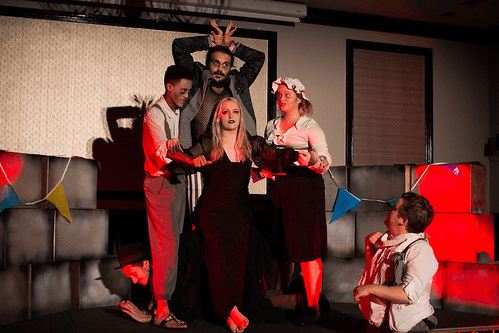
Another distinguishing feature of Houston theater is its constant evolution and change. This is achieved through “new blood.” The city’s theaters involve many young people in their work. This is facilitated by the city’s universities, which annually graduate many young talents—specialists in theatrical arts.
A huge effort is made to engage youth in what may, at first glance, seem like an archaic art form. Not only the theaters themselves are involved, but also the city government, which actively promotes stage arts. Specifically, the city offers scholarships for talented actors and directors and provides opportunities to showcase talent at various competitions and festivals, several of which are held in the city annually.
Young people themselves are eager to express themselves on stage. Therefore, when registration for new theater competitions begins, there’s no shortage of people wanting to participate.
Given these factors, everyone involved strives to nurture these endeavors, careful not to extinguish the creative spark. It was against this backdrop that the idea for the Houston Fringe Festival emerged.
The Performing Arts Festival
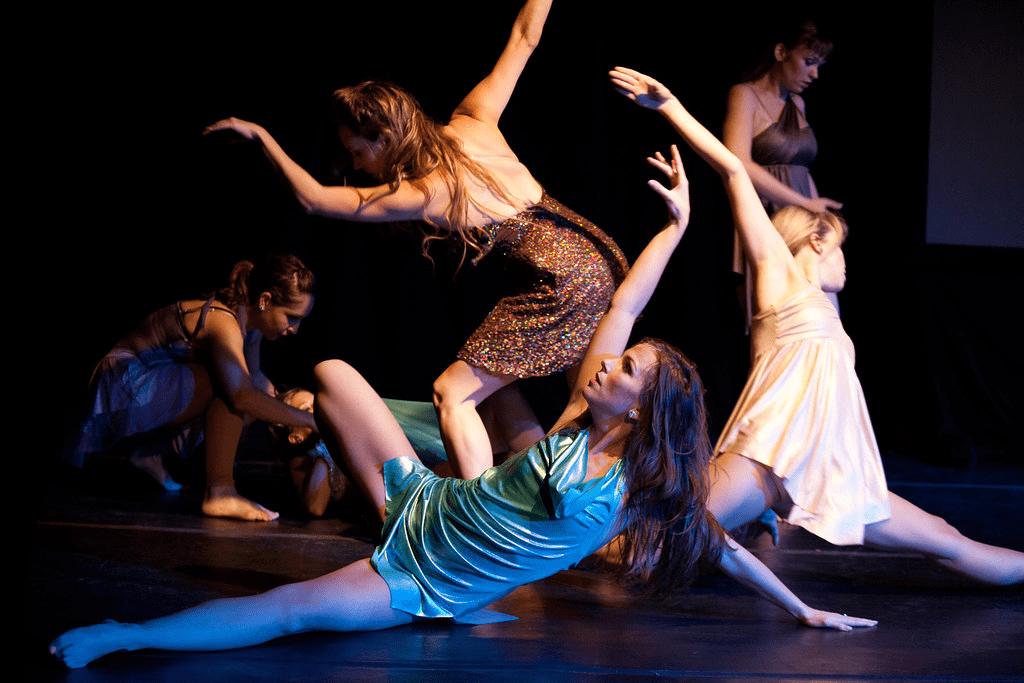
Surprisingly, this festival arose almost spontaneously. The idea to create the Houston Fringe Festival came from the multimedia dance company, FrenetiCore. In 2008, they held what were more showcase performances than a full-fledged festival among a small group. For the event, the organizers rented space at the Frenetic Theater cultural center. Twenty teams and individual artists responded to their call.
The festival’s administration intended for there to be no restrictions on participants or their form of expression. It could be a solo stand-up performance or a full theatrical production. There were no genre limitations either. Theater troupes, mono-actors, dance ensembles, or performance art groups could take the stage. The core idea was to present the audience with alternative, less commercial art, unlike traditional theater.
The first Houston Fringe Festival became an experimental platform that received a tremendous response from the audience. Despite limited advertising for the event, a large number of people attended. Perhaps viewers were drawn by the event’s free spirit—no strict judging or casting—where an artist or troupe could simply demonstrate their vision without boundaries or pressure. It’s no surprise, then, that underground scripts and performances were showcased on stage.
The Houston Fringe Festival stage became a testing ground where any theater company could gauge the audience’s reaction to unconventional or even somewhat risky projects. The audience loved it. They loved it so much that FrenetiCore’s idea found continued life. Moreover, the local government sponsored the newly created festival and promised all kinds of support for its continuation.
And so, the annual Houston theatrical arts festival was launched.
A Platform for Self-Expression
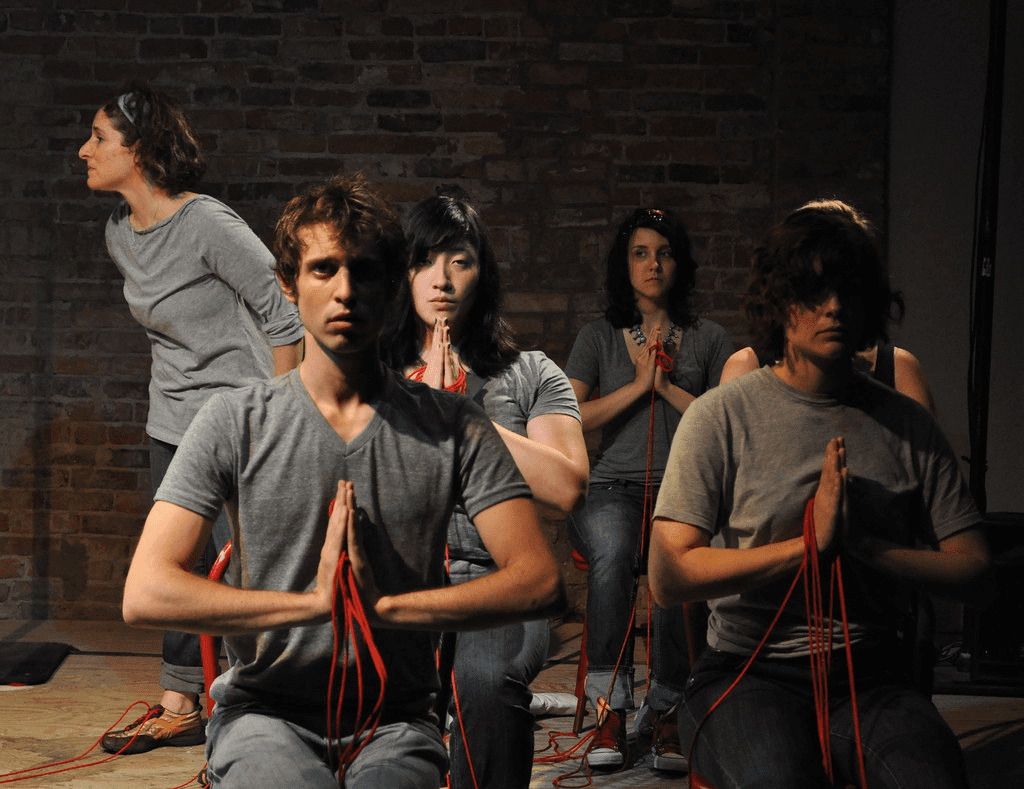
What started almost spontaneously as a desire by a group of young theater artists to break the boundaries of traditional theater grew into a true celebration for not only the city of Houston but the entire region. People now prepare and register well in advance for this event. Despite the festival lasting several days, not everyone who wants to perform on the Houston Fringe Festival stage can be accommodated due to the large number of applicants.
The festival has also expanded in terms of genre, embracing new venues and innovative artistic trends. Applications for participation are accepted from theatrical, dance, music, comedy actors, and even declaimers of their own poetry. Circus and cinematic arts were later included as well.
Every year, the Houston Fringe Festival draws large crowds. A specific group of people hasn’t missed a single festival. Even when the coronavirus pandemic introduced major complications worldwide, the organizers of the Houston theatrical festival managed to hold it online.
Although traditional prizes or significant awards are not a feature of the Houston Fringe Festival, the organizing committee acknowledges the most distinguished or original performances. While these awards are symbolic and don’t carry the weight of the Cannes Film Festival or the Tony Awards, such recognition highly stimulates young performers to continue their creative pursuits. There is also an audience award. The best performance, as judged by the spectators, receives the Audience Choice Award, which also allows the winner to gain affirmation and boost self-esteem.
The Festival’s Significance
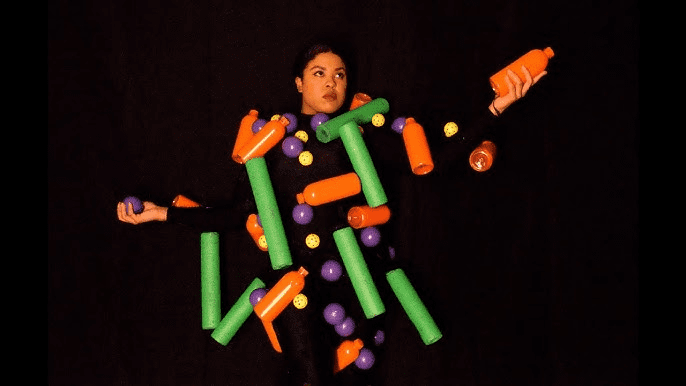
From the beginning, the goal of the Houston Fringe Festival was to support independent art, experimental projects, and to create a platform for showcasing unique works. The festival format focuses on openness and inclusivity, ensuring it remains unbiased and objective. This allows young Houston talents to develop innovative art forms and expand the city’s cultural landscape.
The high attendance also indicates that art, as a living organism, must evolve and change to maintain interest. This format appeals to the audience, which contributes to the cultural development of young people.
The Houston Fringe Festival continues to be an important part of Houston’s cultural life, and there’s nothing to suggest that this format will become irrelevant in the coming decades.