

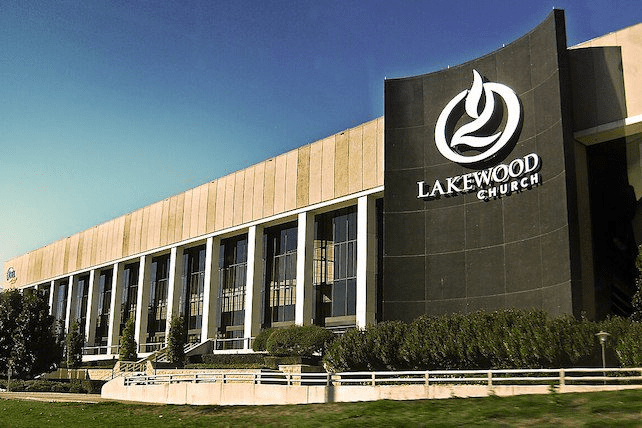
When you think about religion in the U.S., the imagination often conjures up images of small churches in quiet towns or Gothic cathedrals in the heart of major cities. But Houston has its own unique story. It’s home to Lakewood Church, the largest church in America, where tens of thousands gather every Sunday and millions more follow services online.
At the center of this phenomenon is Joel Osteen, a preacher with a wide smile, a TV host’s voice, and a message that often sounds more like a motivational seminar than a traditional sermon. Some people love him, while others remain skeptical. But the fact remains: he managed to transform the former arena of the Houston Rockets basketball team into a spiritual “megapolis.”
How did the city of oil, medicine, and NASA become a religious capital for millions of believers? What truly drives the movement’s popularity—faith, showmanship, or marketing? And why has Joel Osteen, in particular, become the symbol of an entire era of modern American preaching? Find out more on houstonski.com.
From Feed Store to Spiritual Empire
Lakewood Church was founded by John Osteen, who was assisted by his second wife, Dodie. This occurred on Mother’s Day, May 10, 1959. The opening ceremony was held in a tent, with fewer than a hundred believers present. The church later moved to a derelict feed store in northeast Houston.
John Osteen belonged to the Southern Baptist religious community. However, after his baptism, he founded Lakewood as a church for charismatic Baptists. Soon after, the congregation became a non-denominational community, and its numbers began increasing exponentially.
Three years later, the church’s founder temporarily stepped away from the church to pursue a preaching mission outside of Houston. Marvin Crow became the lead pastor of the church community in his absence. John Osteen returned to his duties as church leader in 1969. During that time, his congregation had grown several times over, creating an urgent need for a new building to hold gatherings.
In 1972, the congregation began construction on a new facility that would seat nearly a thousand believers. However, by 1979, the number of converts reached over 5,000. This success for Lakewood Church was due in part to John and Dodie starting and hosting a weekly television program that broadcast the charismatic sermons of the leader. The program was eventually seen in a hundred countries worldwide.
In 1987, the official construction of a new sanctuary began. It was designed to hold 8,000 people. A year later, Lakewood Church members had a new place to gather.

The Beginning of Dynastic Pastorship
In 1999, the founder of Lakewood Church passed away. His youngest son, Joel Osteen, took his place and proved to be a worthy successor. During Joel Osteen’s tenure, Lakewood’s congregation grew nearly fivefold, with up to 30,000 people attending the church weekly. Several times that number listened to the new pastor’s sermons on television, making the existing church facility inadequate. This factor prompted the move to a much larger venue.
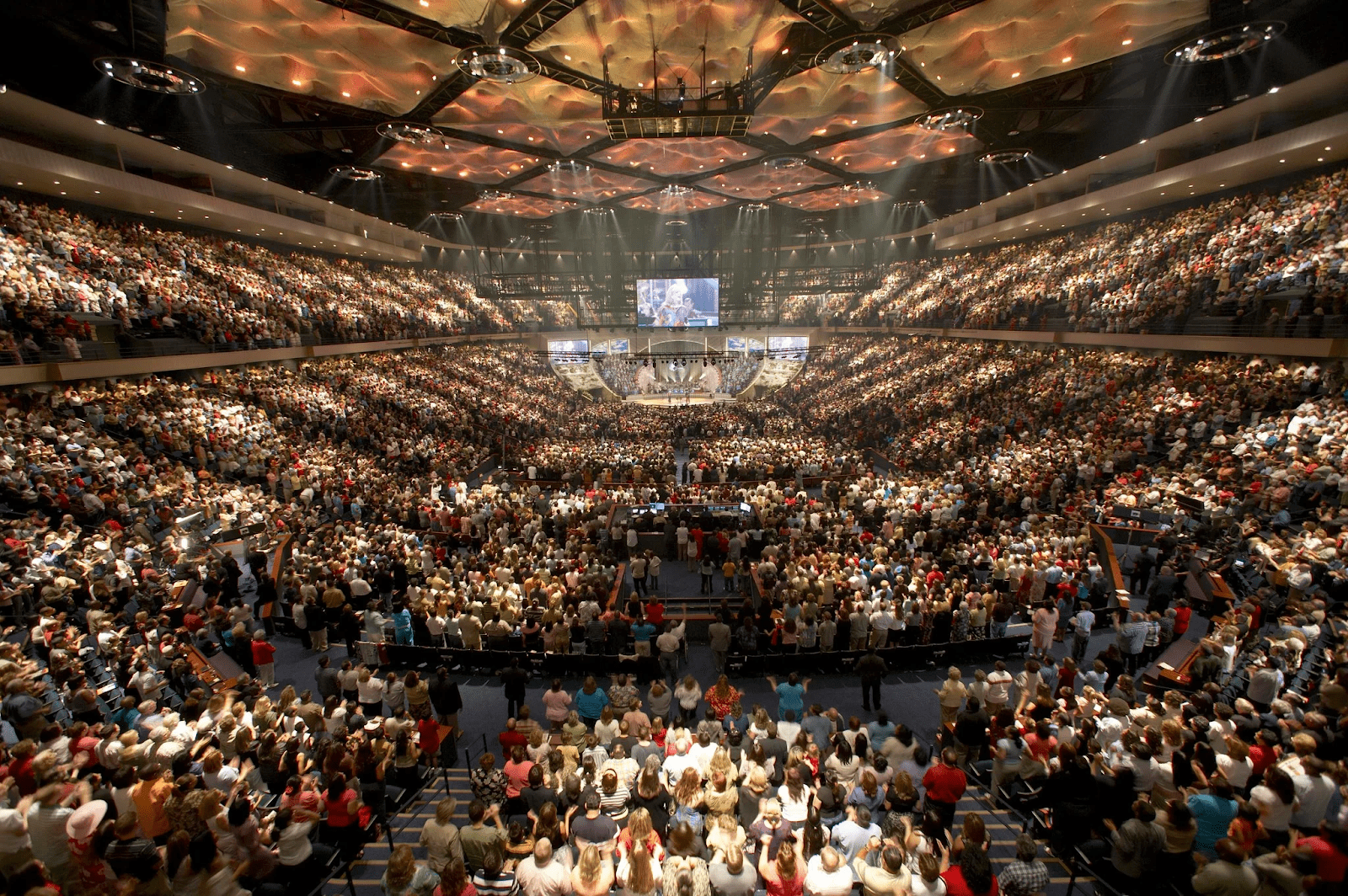
In late 2003, the church signed a long-term lease with the city of Houston to acquire the Compaq Center, the former sports arena of the Houston Rockets. After a period of legal wrangling, Lakewood Church moved into the leased facility on July 16, 2005. It could accommodate nearly 17,000 attendees. The church agreed to pay $11.8 million for the 30-year lease, in addition to spending $100 million on reconstruction and renovations.
In November 2018, CBS News named Lakewood Church the largest megachurch in the United States, with an estimated weekly attendance of about 43,500 people. According to survey data published in 2024, the church was attended by 45,000 people weekly.
Global Impact: Media and Charity
Under Joel Osteen’s leadership, Lakewood Church has achieved worldwide fame. Church services are now broadcast to millions of viewers. Lakewood Church actively uses all possible media resources to spread its message, broadcasting services on national and international television networks. Additionally, the church is involved in charitable work, providing aid to natural disaster victims and supporting local communities.
Joel Osteen’s books, including bestsellers like Your Best Life Now, have further elevated the church’s profile. The leadership has developed ministry programs for all demographics. The congregation features programs for children and youth. They actively care for congregants with inclusive needs. Even Houston’s multilingual nature is taken into account, with sermons held in Spanish on certain days for the Latino community. The church also provides support groups for those facing life challenges, fostering a strong sense of community.
Criticism of Lakewood Church
Despite all this activity, the church still faces critics. Lakewood Church and Joel Osteen, in particular, are subject to various criticisms, including the promotion of prosperity theology. Critics allege that Joel intentionally and specifically encourages donations in his sermons, which he vehemently denies.
The church has also been criticized for its slow reaction to Hurricane Harvey, with accusations that the administration was reluctant to open the church building to victims. Religious leaders, however, dispute this information.
Regardless of the controversy, Lakewood Church under Joel Osteen has become a symbol of the modern religious movement in America, blending traditional values with innovative approaches to preaching and community. Its history is an example of how faith, leadership, and strategic thinking can transform a religious organization into a global phenomenon.